NASA's New Plan: Astronauts Back on the Moon in 2028
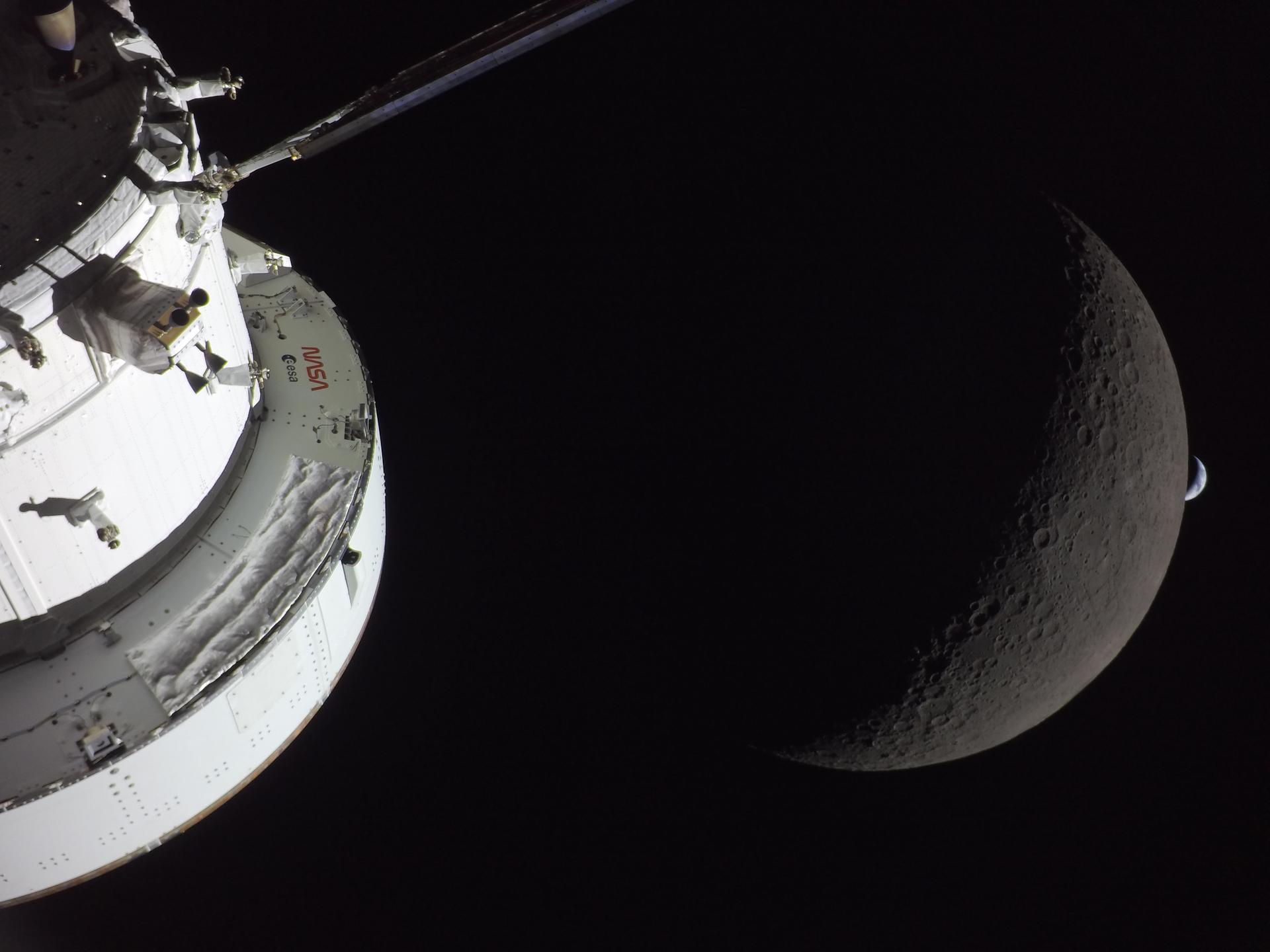
A test flight next year, two rival lunar landers and a rocket engine that just roared for 200 seconds. Here is how NASA wants to get people back to the Moon faster.
Read the full story →
The universe and the machines, clearly explained.
Space, physics, the human body, and the machines and workshops that make the things around us.
A test flight next year, two rival lunar landers and a rocket engine that just roared for 200 seconds. Here is how NASA wants to get people back to the Moon faster.
Read the full story →
Ariane 6 made history on its 10th flight by launching 36 Amazon Leo satellites from French Guiana. This mission marks a big step for both the rocket and Amazon’s internet ambitions.
Read the full story →
China's LineShine supercomputer is still the fastest in the world, but this year's TOP500 list saw a record-low number of new systems. Here's what's going on.
Read the full story →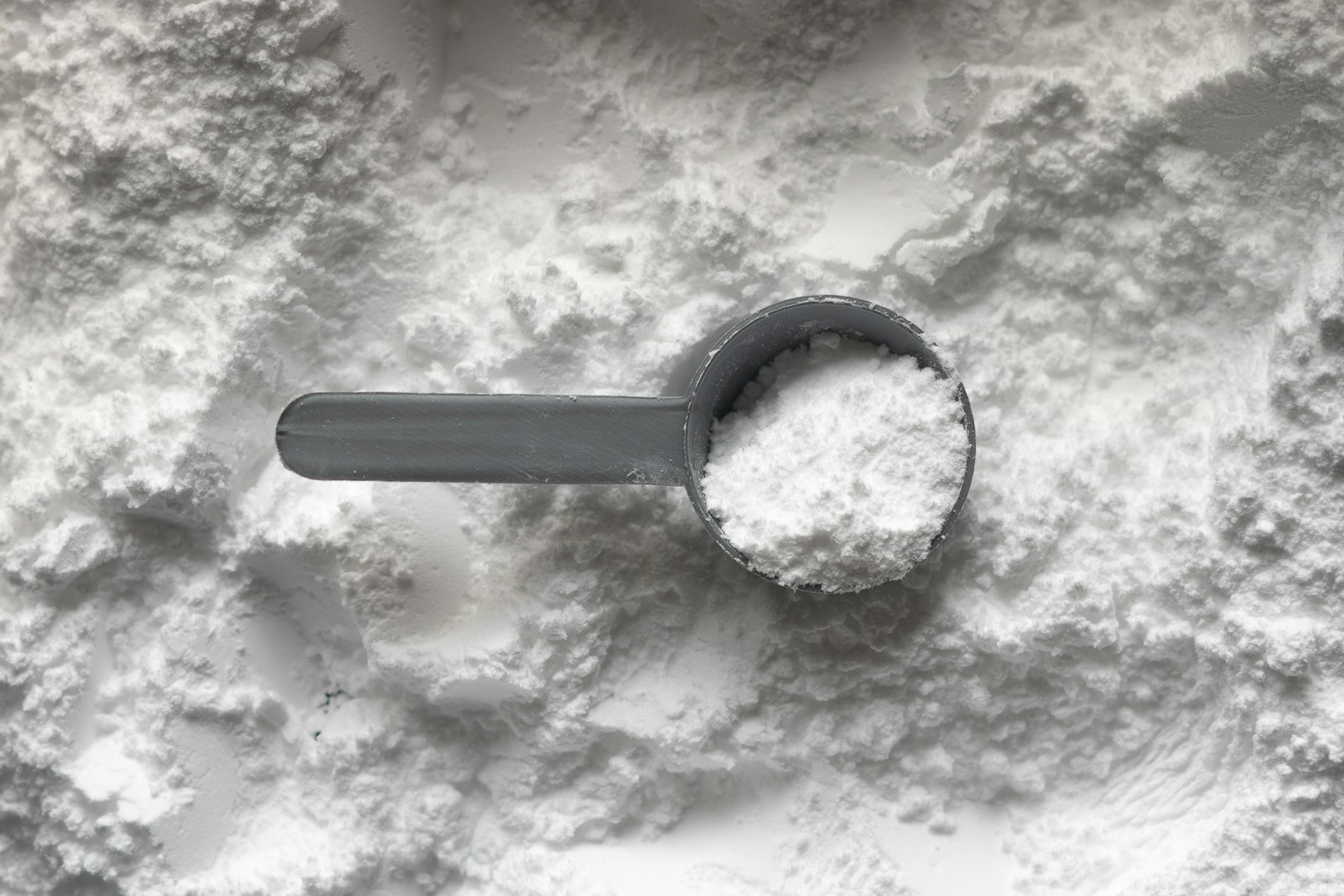
A lab at Washington University in St. Louis made a powder that's almost half protein from carbon dioxide, electricity and a fungus. It used a fraction of the water and land soy needs.
Read the full story →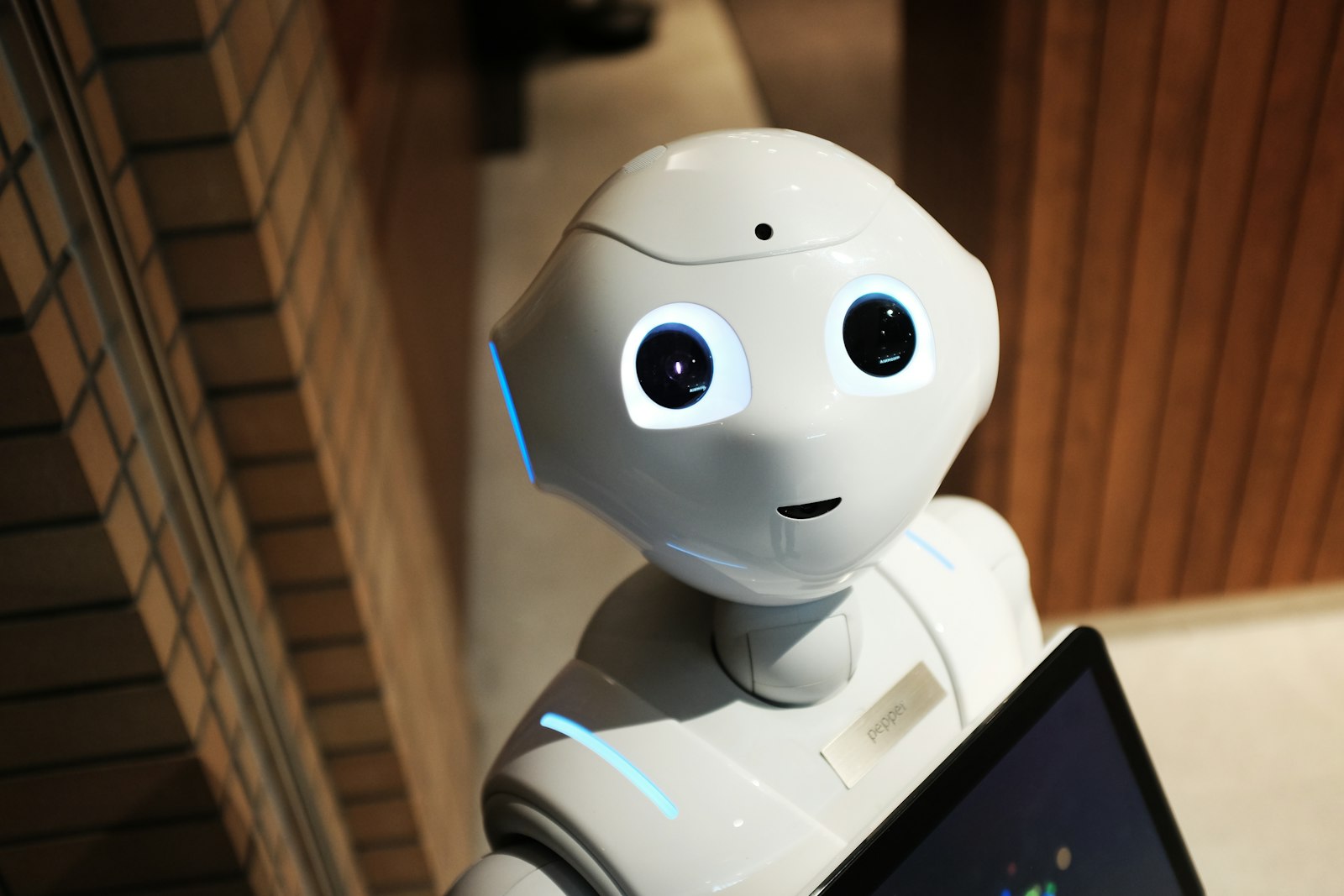
Reports say Apple's tabletop robot has been basically ready for two years, but arguments over its software could push it to 2027 or even 2028.
Read the full story →
For the first time, SpaceX's tower "chopsticks" grabbed the Starship upper stage after a trip to orbit. Elon Musk says that ship has earned retirement.
Read the full story →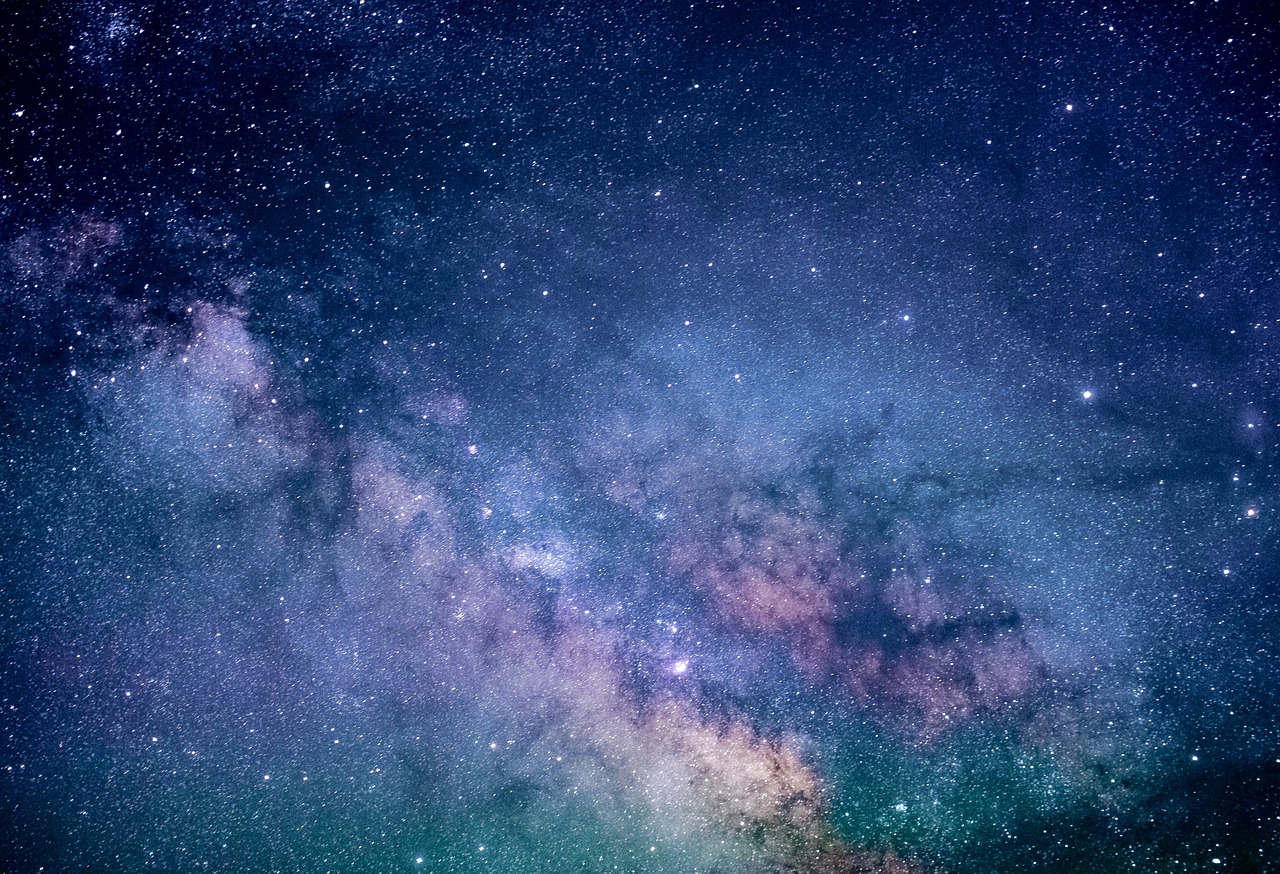
Every 7.9 minutes, a strange signal arrives from space. Scientists think it’s coming from a dead star — and it’s making them scratch their heads.
Read the full story →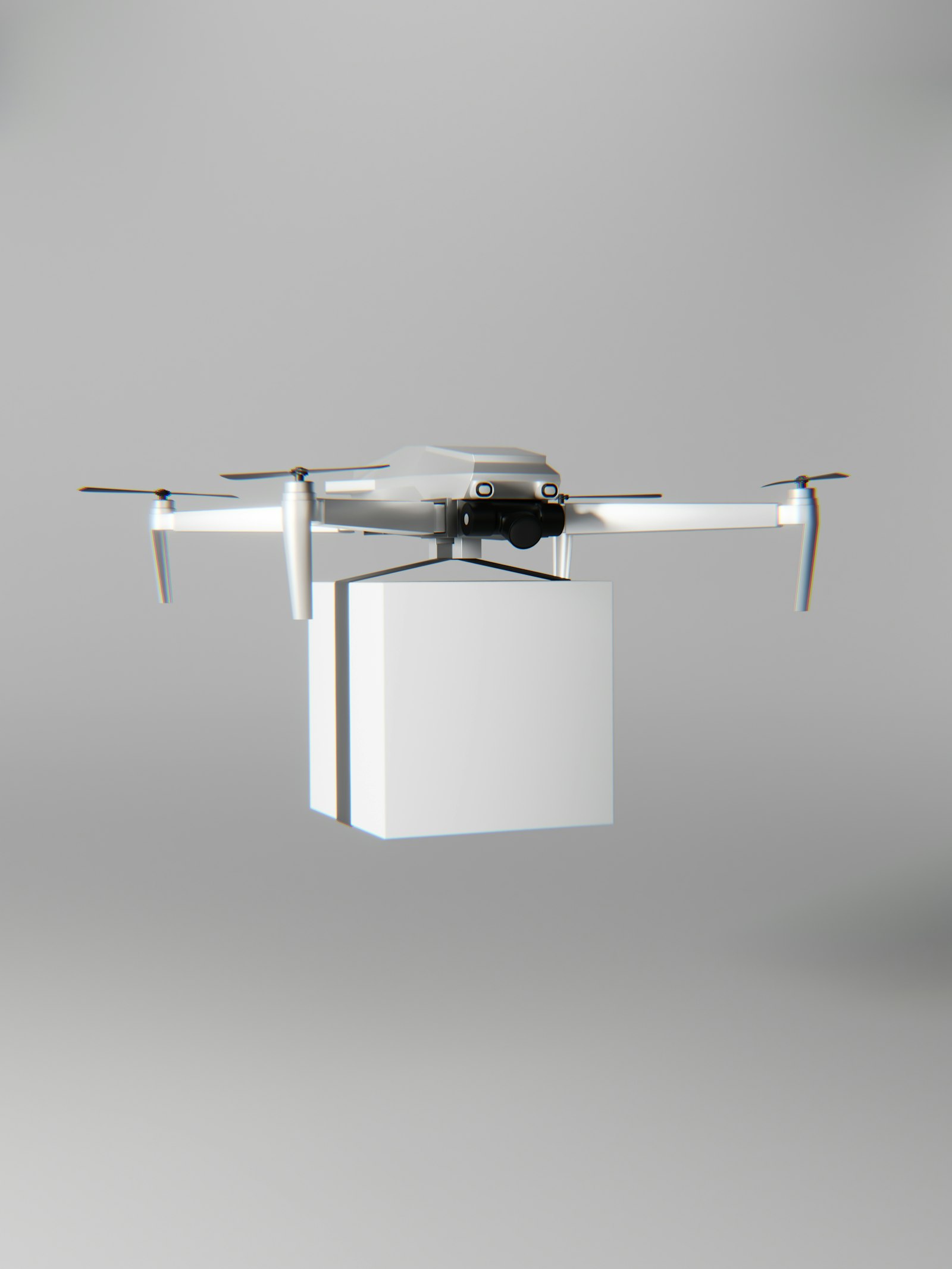
Uber and Zipline launched drone food delivery near Houston this week. The drones don't land, they fly up to 70 mph and they're coming to dozens more US cities.
Read the full story →
At 5:16 a.m. EST on 18 November 2026, NASA's Voyager 1 became the first human-made object one full light-day from Earth, about 16 billion miles away. Here's the story of the little probe that refuses to stop.
Read the full story →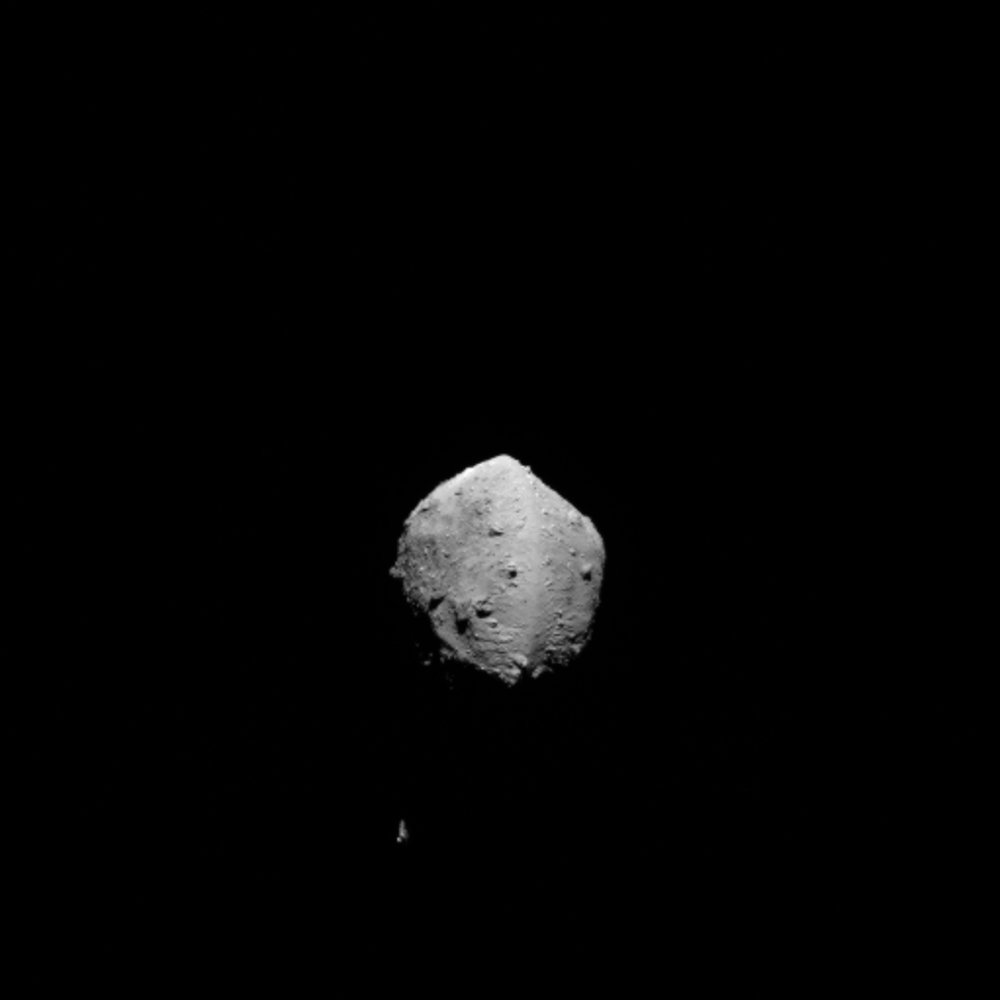
ESA's Hera spacecraft is now flying around Didymos and its moonlet Dimorphos, the asteroid NASA's DART smashed into in 2022. The first close-ups show a side nobody had seen.
Read the full story →
In the iOS 27.3 beta, Apple's cloud-powered Siri AI and photo tools now have a daily cap. Basic commands stay free. Bigger iCloud+ plans get more.
Read the full story →
Imagine the universe as a baby, just a few hundred million years old. Now picture two super-bright quasars, powered by giant black holes, glowing in the dark. That’s what astronomers have found — and it’s leaving scientists scratching their heads.
Read the full story →
The James Webb Space Telescope has found something unexpected: a hidden alien planet, and maybe even a clue about the Big Bang. Here's what's going on, and why it's making astronomers blush.
Read the full story →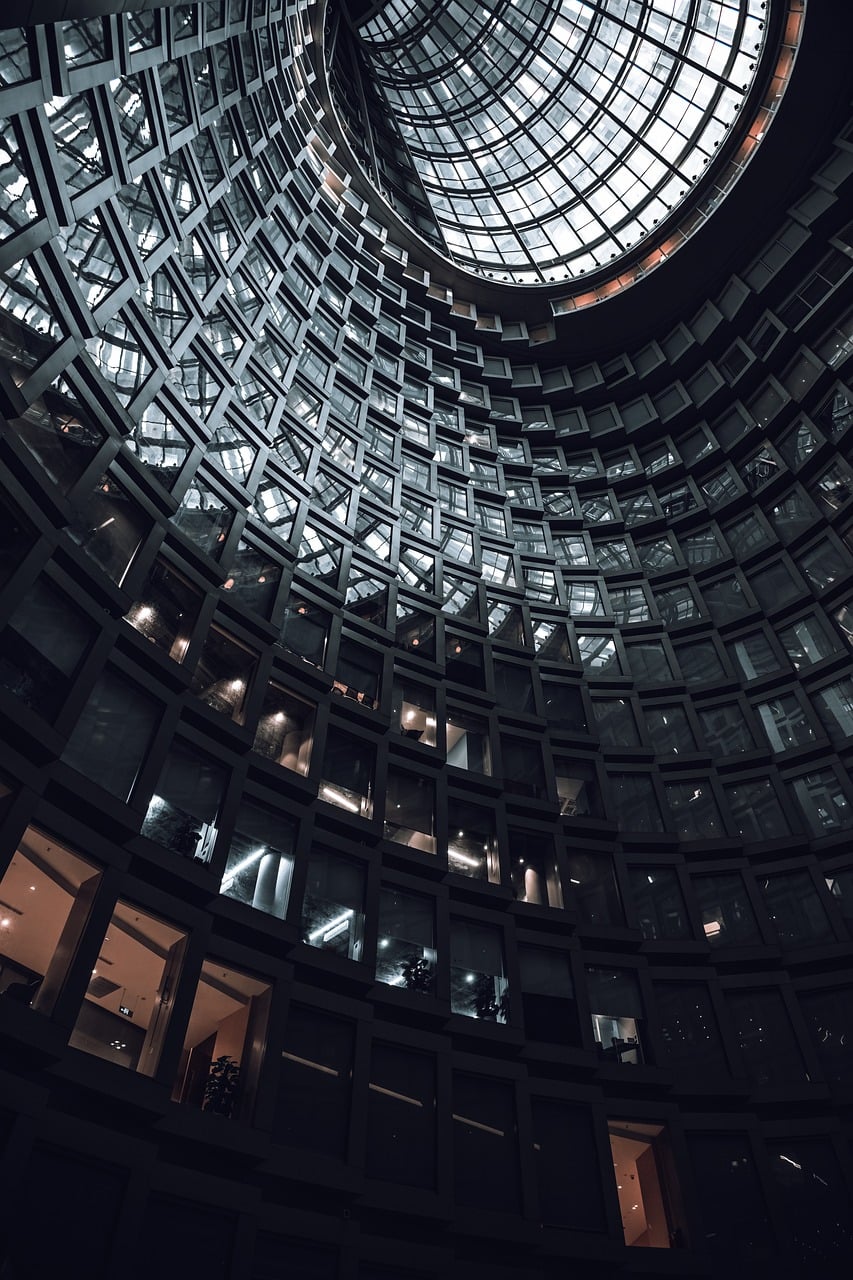
Airbus is planning a big move near Toulouse, France, with a new factory that could create 3,500 jobs and cost up to 900 million euros. Here's what it means for the region and the future of aerospace.
Read the full story →
In the early universe, just 900 million years after the Big Bang, a pair of quasars defied expectations—and may force scientists to rethink how black holes grow.
Read the full story →
A paper mill in Saint-Gaudens has shut down, leaving 300 people without jobs. Here's what happened and why it's a big deal.
Read the full story →
Scientists pulled ancient proteins from the teeth of Homo naledi, a small human relative from a South African cave. They didn't find a single male marker, which could make it the oldest known burial place for just one sex.
Read the full story →
A small robot called ASTRA has become the first to build part of a structure in orbit on its own. It added a new section to a truss for a future space antenna, while engineers on Earth had only 15-minute windows to talk to it.
Read the full story →
A new genetic study of samples taken from the Shroud of Turin in 1978 found traces of many humans, plants, farm animals and microbes. It says a lot about the cloth's long journey, but nothing about whether it's real.
Read the full story →
A beautiful old idea says comets delivered the chemistry of life to the young Earth. Cambridge simulations suggest most impacts were too fast and too hot, and that it worked maybe a handful of times in 500 million years.
Read the full story →
For a century, textbooks had two main kinds of magnets. Researchers at Stanford's SLAC lab now report solid evidence for a third one, called altermagnetism, and it could one day make computer memory faster.
Read the full story →
Agility Robotics, maker of the two-legged warehouse robot Digit, was set to start trading on Nasdaq on 5 November under the ticker AGLT. It is billed as the first US-listed company that does nothing but humanoid robots.
Read the full story →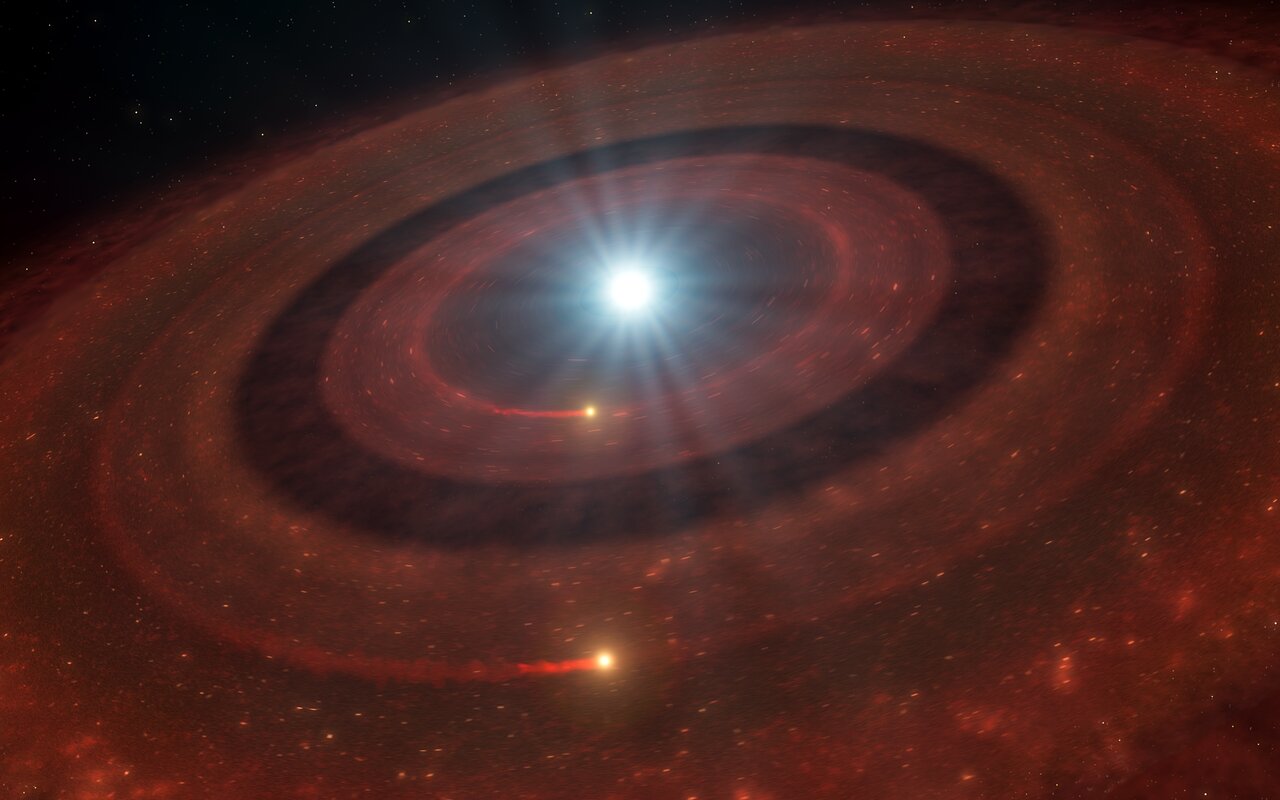
Astronomers have found two rings of planetary rubble around a white dwarf, kept apart by what may be two survivors of the star's death. One could be the size of Pluto.
Read the full story →
Engineers at UC San Diego used a shaped laser beam, instead of a magnet, to flip data in a stack of nine metal layers. It could one day make memory more than 1,000 times faster.
Read the full story →
The James Webb Space Telescope watched the lava world TOI-561 b for 37 hours. It bounces back about 75% of its starlight, as if it wears a giant layer of sunscreen.
Read the full story →
Long before the cheerful orange grin, people in Ireland and Scotland carved faces into turnips, potatoes and beets. Here's how a cheap root vegetable became a pumpkin, and why the old version looked like a shrunken skull.
Read the full story →
Why do we pay money to be chased by zombies? Danish researchers strapped heart monitors on visitors to a 50-room horror house and found the answer looks like an upside-down U.
Read the full story →
It's called 2026 ED138 for now. It sat in front of the Milky Way's crowd of stars, which is why nobody spotted it. If confirmed, it joins a tiny family of dwarf planets.
Read the full story →
Wafer, filling, chocolate, snap. Simple, right? Inside the factory it's robots, giant wafer sheets and one recycling trick most people never guessed.
Read the full story →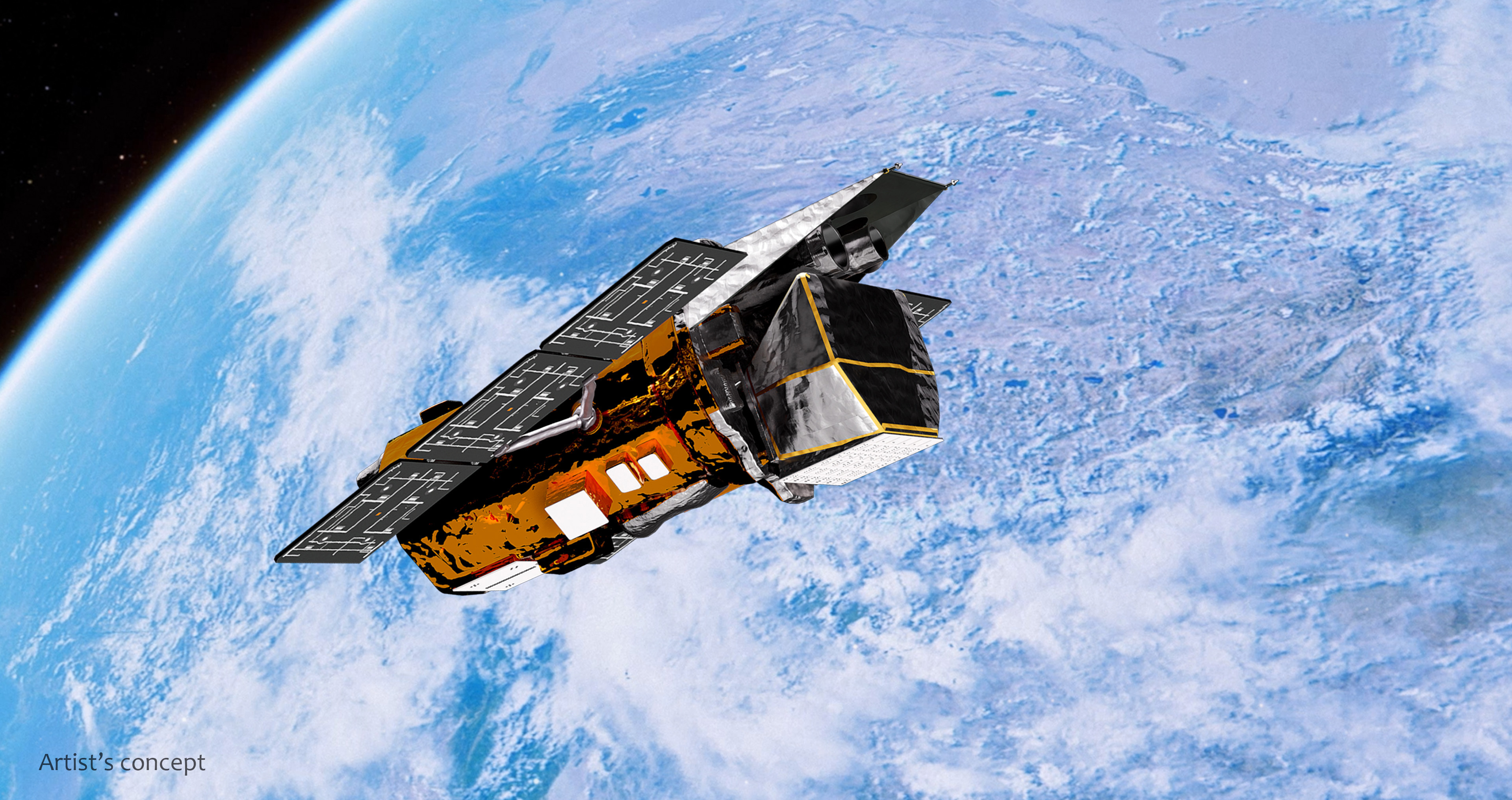
Swift chased the biggest blasts in the universe since 2004. A robot tried to rescue it and ran out of fuel. Now it's slowly falling home.
Read the full story →
Europe's Euclid space telescope is supposed to map the dark universe. A PhD student in Helsinki ran his own little program over its photos and spotted a blurry streak. It's a brand-new comet, now called C/2026 S1 (Euclid).
Read the full story →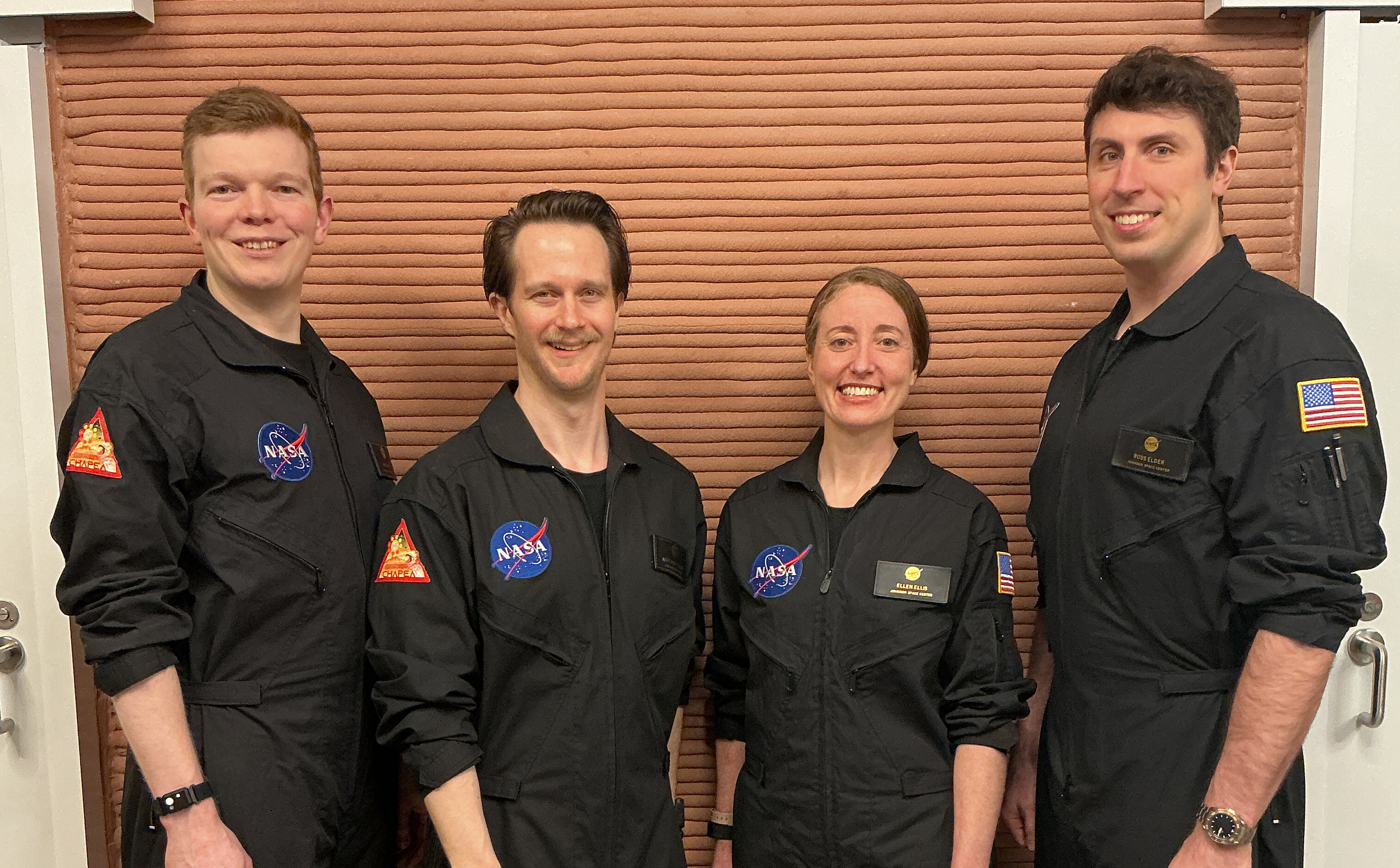
No shops, no quick calls home, the same three faces every morning for 378 days. On 31 October four volunteers finally open the door. Here's what a year of pretend Mars looks like.
Read the full story →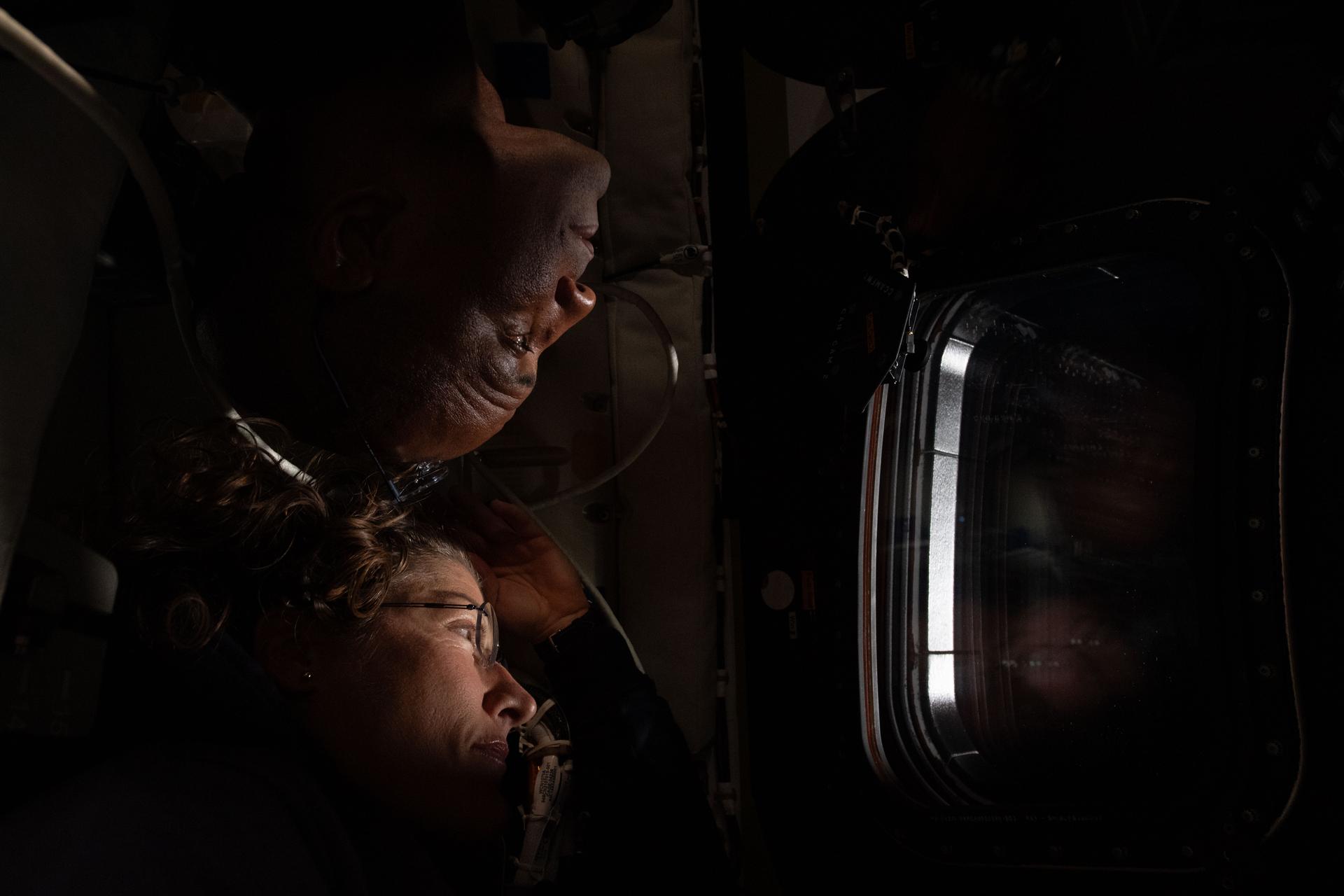
The first people near the Moon in over 50 years didn't just take selfies. They took notes, in coloured pen, and NASA has just made it all public.
Read the full story →
A paper cup, a layer of chocolate, a plug of peanut butter, a little shake and a puff of air. And behind it, a family row that made Hershey promise to go back to the classic recipe.
Read the full story →
Peeps, the sugar-coated marshmallow chicks Americans love (or love to hate), are all made in one factory in Pennsylvania. Robots give them their eyes, and a camera throws out the cross-eyed ones.
Read the full story →
Wax, colour, a mould and seven minutes of patience. Inside the Pennsylvania factory that still makes most of the world's best-known crayons.
Read the full story →
Plastic grains, a lot of heat, a mould accurate to two thousandths of a millimetre and a few robots that never sleep. Inside the factory in Billund, Denmark.
Read the full story →
Most cars crawl down one long line. Tesla's little two-seater is built in big chunks at the same time, then clicked together. Clever trick, big promises, and one very public haircut bet.
Read the full story →Cookies, briefly
We use cookies only for ads, and only if you say yes. Reading stays the same either way. Privacy & cookies