
What if the smoke coming out of a factory chimney could end up in your protein shake? It sounds like science fiction, but a lab just did it.
How it works
Engineers in Joshua Yuan's lab at Washington University in St. Louis, part of the US NSF CURB research centre, took waste carbon dioxide and used a special copper-gold catalyst and electricity to turn it into ethanol and acetate, Scientific Frontline reports.
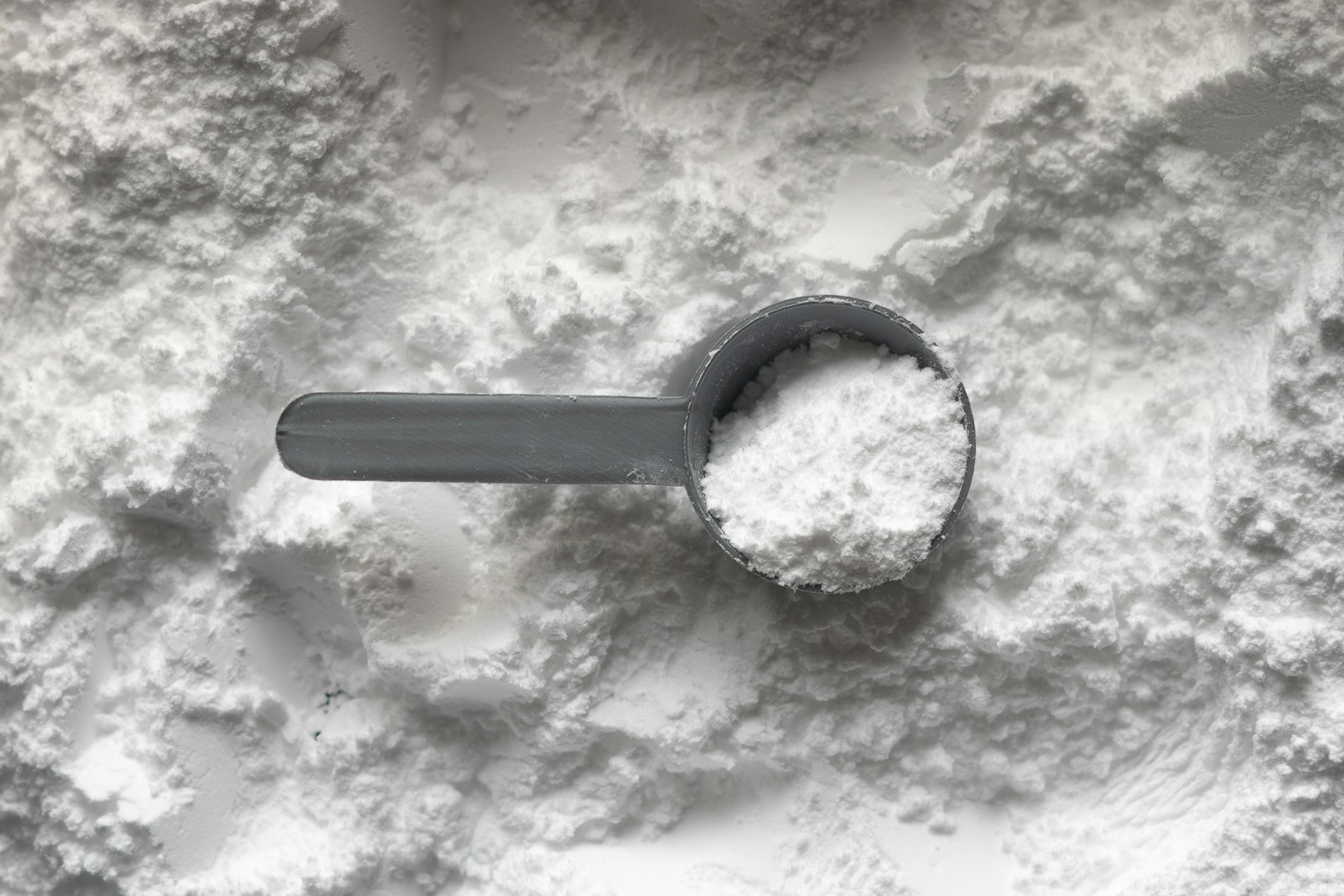
Then came the fungus. A species called Neurospora intermedia ate those simple chemicals and grew. After seven days, the team harvested it, freeze-dried it and ground it into a powder that is 48.5% protein. The work was published on 20 November in the journal One Earth.
"This fungus is a picky eater," said first author Wei Wei. It loves ethanol and acetate but doesn't grow well on some other chemicals, so the team had to tune the recipe.
Why people are excited
The team's models suggest the process needs about 794 litres of water per kilo of protein. Soybeans need about 5,970 litres, and beef about 75,600. It could also produce about 22 times more protein per square metre of land than soy.
The catch
This is still a lab experiment. Gold is expensive, real factory gas is dirty and could damage the catalyst, and any new food has to pass safety checks before it reaches a shop shelf. Whether it really removes more CO2 than it creates depends on how you count.
Why it matters
The world will need a lot more food by 2050, and farming already uses huge amounts of land and water. Turning pollution into protein is one of the ideas on the table. Don't cancel your chicken order yet, but keep an eye on this fungus. It might be the most useful picky eater on the planet.