

The James Webb Space Telescope has been busy peering into the cosmos, and it's found something that's causing a stir. Astronomers have discovered a hidden alien planet in images from the telescope, and they're also trying to figure out what the mysterious 'Little Red Dots' are. These dots have been puzzling scientists for a while, and now they might finally have an explanation.
The Little Red Dots: Tiny Black Holes or Something Else?
The 'Little Red Dots' are tiny, bright spots that appear in some of the telescope's images. At first, they looked like they could be black holes from the Big Bang, but now scientists think they might be something else entirely. The dots are so small and so bright that they've been a mystery for years. Some researchers believe they could be the remnants of the earliest stars in the universe, or even something we've never seen before.
A Hidden Planet in the Shadows
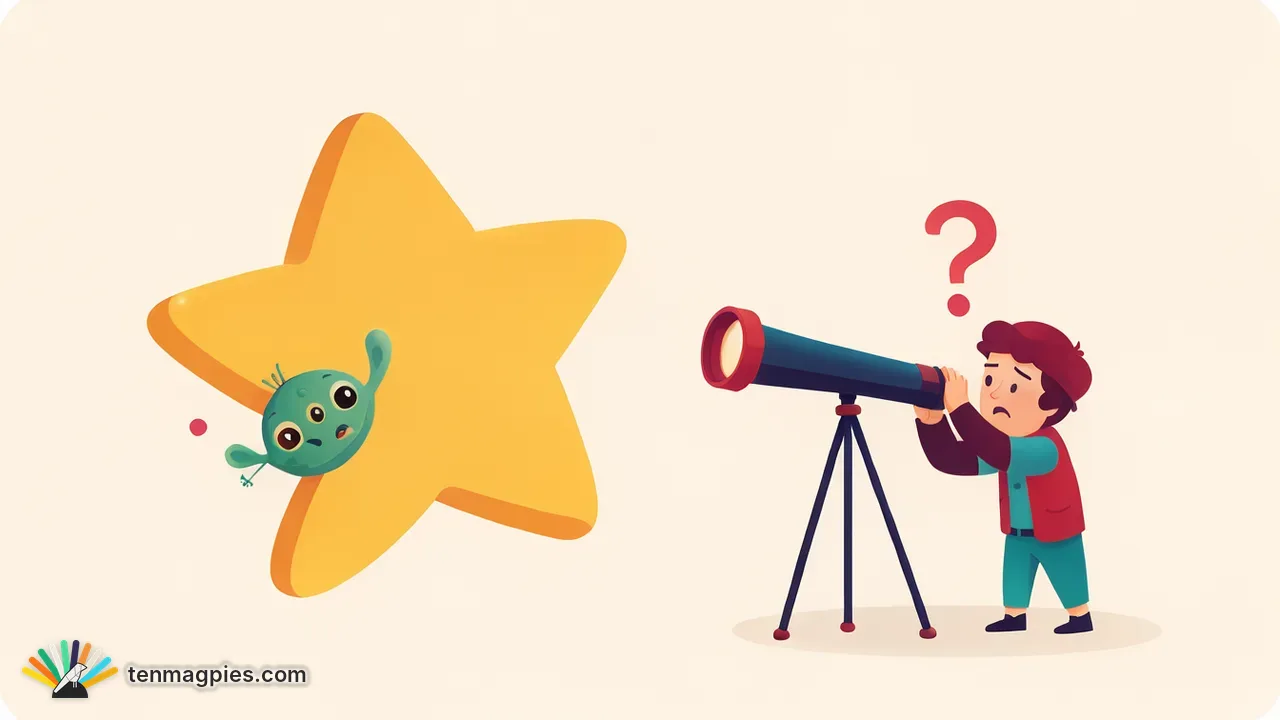
Meanwhile, in a different part of the telescope's images, astronomers found a planet that had been hiding in plain sight. This alien world is so far away that it's hard to see, but the James Webb Space Telescope's powerful instruments caught it. The planet is likely orbiting a distant star, and it's so cold that it's barely visible. It's like finding a snowflake in a blizzard.
What Does This Mean for Us?
These discoveries are exciting because they show how much we still don't know about the universe. The Little Red Dots could help us understand the early universe, and the hidden planet gives us a glimpse into the lives of distant worlds. It's like finding a new piece of a puzzle we've been trying to solve for decades.
The Telescope's Big Breakthrough
The James Webb Space Telescope is one of the most advanced tools we have for exploring the cosmos. It's designed to see things that are too faint or too far away for other telescopes. This means it can spot planets that are hiding behind their stars, and it can catch the faintest glimmers of light from the early universe. It's like having a superpower that lets you see the invisible.
A New Era of Discovery
These discoveries are just the beginning. As the James Webb Space Telescope continues its mission, it's likely to uncover more secrets about the universe. Scientists are already excited about what they might find next. And if you're wondering why they're so excited, it's because the universe is full of surprises — and sometimes, those surprises are hiding in plain sight.
So the next time you look up at the stars, remember: there's more out there than you can imagine. And who knows? Maybe the James Webb Space Telescope will find something even more amazing than a hidden planet or a mysterious dot.