
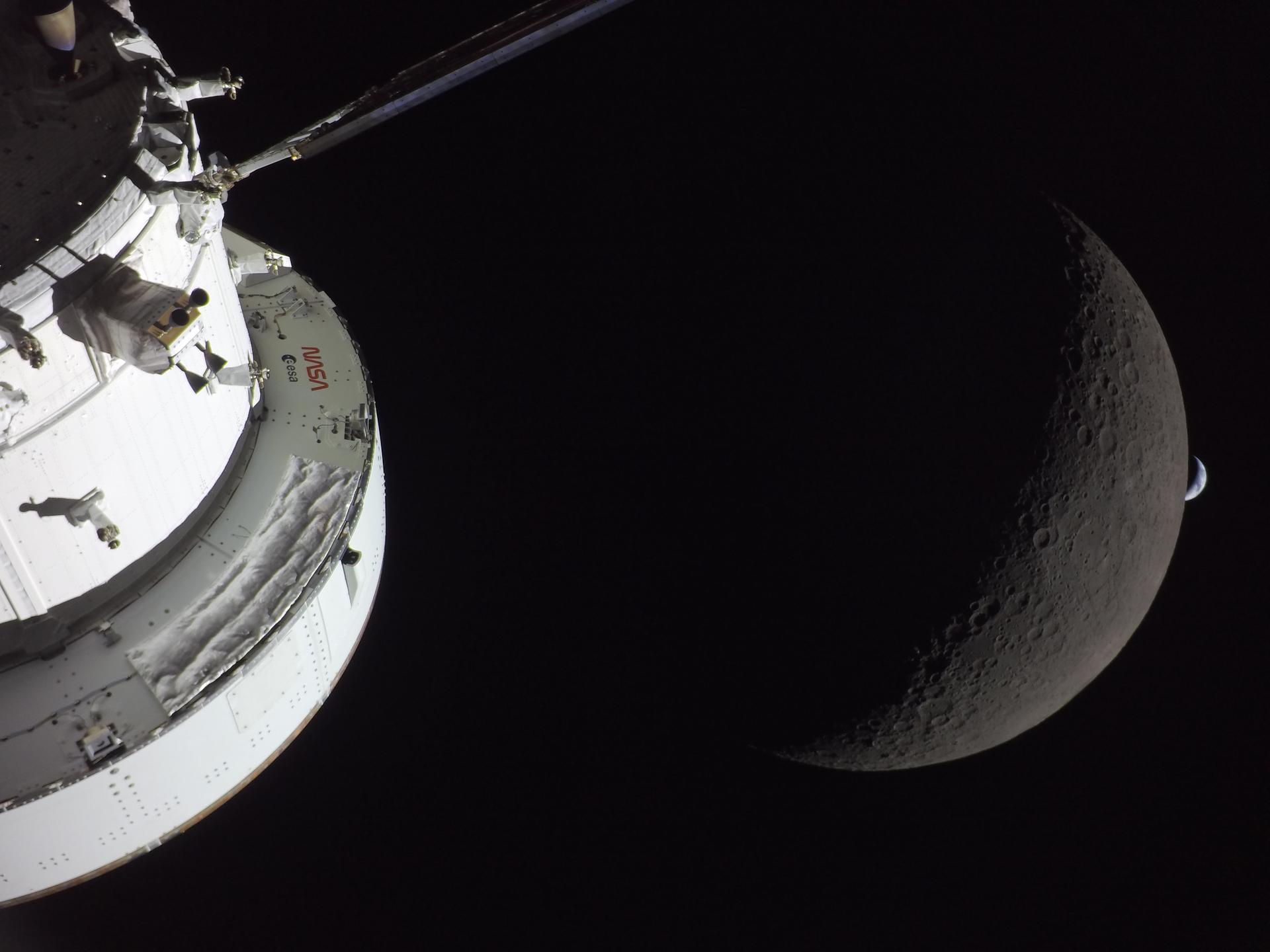
The last time humans walked on the Moon was 1972. NASA now says the next time could be 2028. The agency has laid out a faster plan for its Artemis program, and last week it fired up one of its Moon rocket engines for a long, loud test.
Two missions, one goal
The new plan rests on two flights. Artemis III, planned for 2027, will not land on the Moon at all. Four astronauts will fly the Orion spacecraft on NASA's giant SLS rocket for a 14-day mission in orbit around the Earth. Their job is to practise docking with test versions of the two lunar landers NASA is paying for: Blue Origin's Blue Moon and SpaceX's Starship.
Then comes Artemis IV in 2028, the mission meant to put astronauts back on the lunar surface.
Two landers racing each other
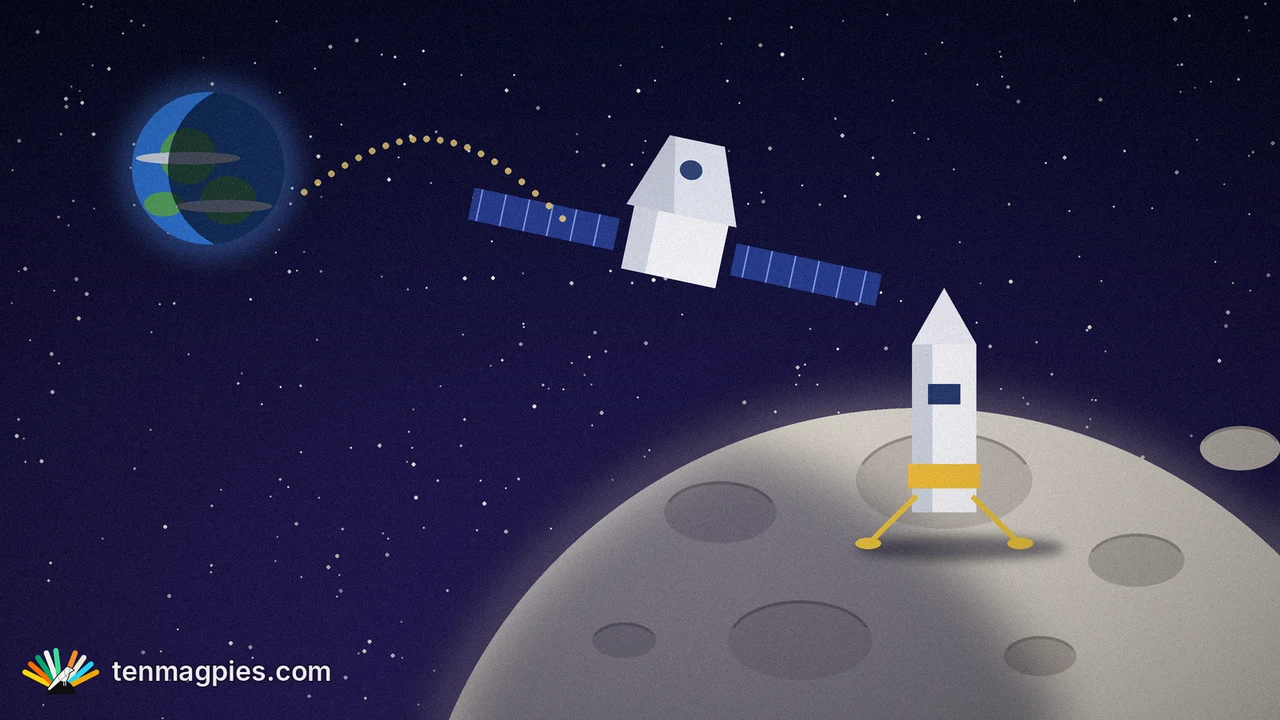
NASA is keeping both companies in the game. For Artemis IV, SpaceX's Starship would be refuelled in orbit before heading to the Moon, while Blue Origin's Blue Moon Mark 2 would meet Orion in lunar orbit. Having two options means one company's delay does not stop the whole program.
NASA Administrator Jared Isaacman made the tone clear: "we're not waiting for others to bring their plans to us."
Faster and lighter
The plan also cuts time on the ground. NASA says improvements have reduced rocket preparation timelines by about 50%. There is a new spacesuit too: Axiom's "Sortie suit", about half the weight of Axiom's main lunar suit.
200 seconds of fire
On November 18, NASA test-fired an RS-25 engine for 200 seconds, three minutes and 20 seconds, at the Fred Haise Test Stand at Stennis Space Center in Mississippi. The engine, No. 10001, is a development unit that will never fly. Its job is to produce data that make future RS-25s more powerful, efficient and reliable.
Each SLS rocket uses four RS-25 engines, which together produce up to 2 million pounds of thrust.
Our take
NASA has promised a quick return to the Moon before, and dates have slipped many times. What is different now is the approach: test early in Earth orbit, keep two landers in competition, and cut the waiting time between launches. If Artemis III goes well next year, 2028 starts to look realistic. If it does not, at least we will know early. Either way, the next people to walk on the Moon may already be in training, and the rest of us get to watch.
Source: NASA, ScienceDaily
Photo: NASA