
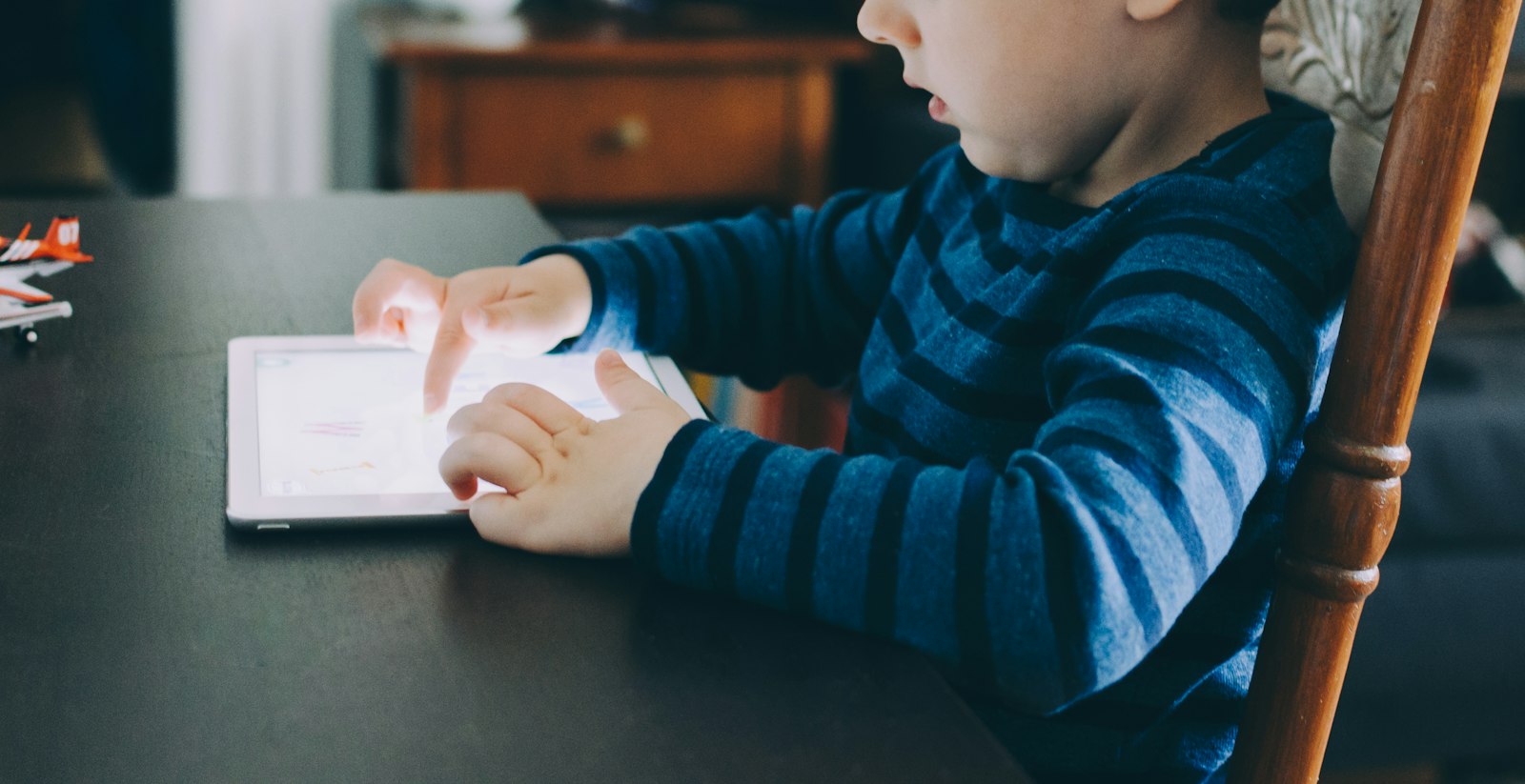
If you've felt guilty every time you handed your child a tablet, this one's for you. But don't throw away the rules just yet.
The study
Researchers at the University of Jyväskylä in Finland followed 260 children from about age 8 to about 16, as part of the PANIC study. They tracked screen time, sport and play, then tested the teens' thinking skills on a computer.
The surprise: kids who had more screen time over the years had slightly better "cognitive processing" as teenagers, meaning faster reactions and better scores on memory tasks, ScienceDaily reports. The study was published in Pediatric Exercise Science.
"We should not regard screen time solely as harmful," said lead researcher Petri Jalanko.
The important "but"
This shows a link, not proof that screens make kids smarter. And the researchers say what children do on screens matters most. "Presumably, the essential point here is what kind of things they do in their screen time," Jalanko told ScienceAlert. A puzzle game is not the same as two hours of random clips.
Meanwhile, in Australia
The same week, South Australia announced that from 2027, laptops and tablets will be banned for the youngest pupils, from Reception to Year 2, in all public primary schools, ABC News reports. Ten schools will also test a weekly screen-free day for older kids.
"Whenever a child is using a screen from Year 3 and up, it has to be for an educational purpose," Education Minister Lucy Hood said.
So, what do you do at home?
Both stories point the same way: it's not just how long, it's what. Pick good apps, watch with them sometimes, and keep the phone out of the bedroom. And yes, you can still say no to "just one more video".