
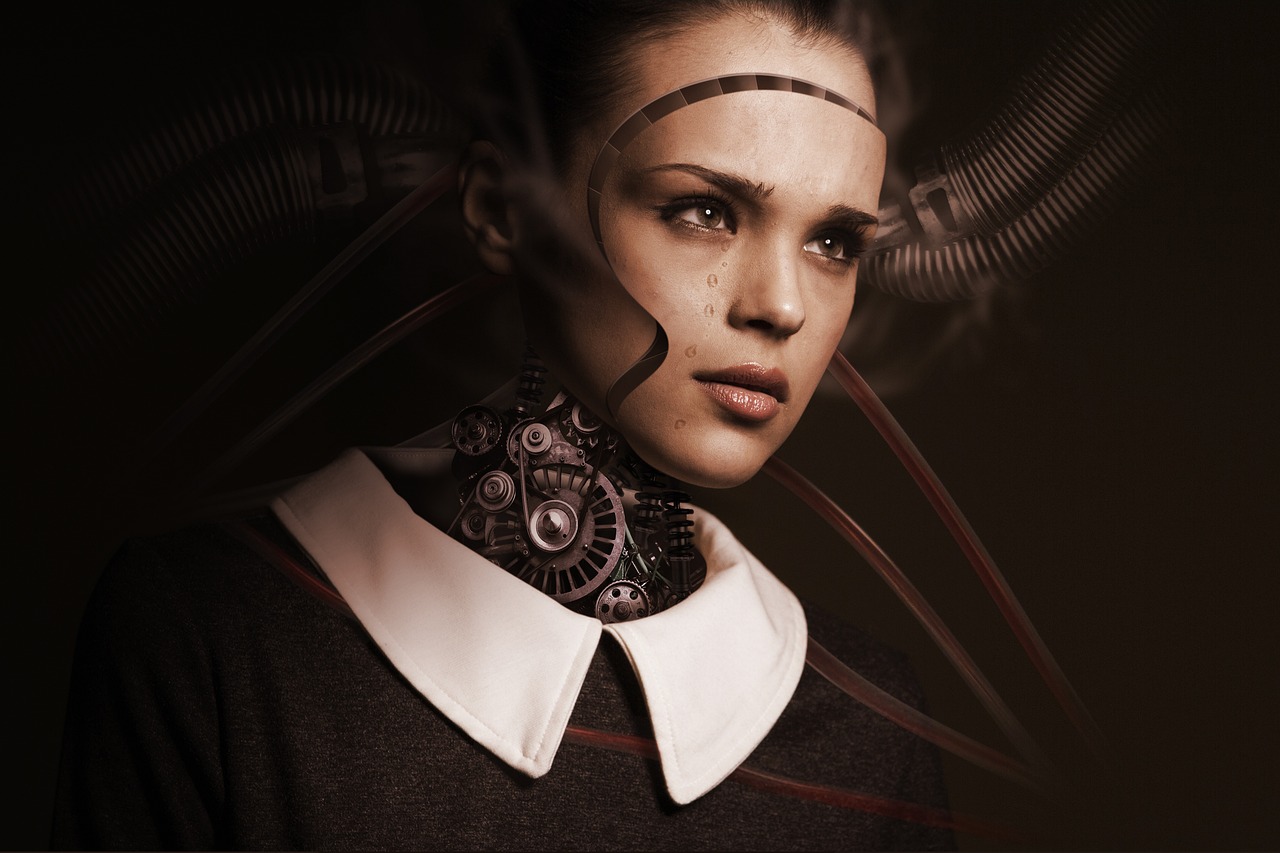
It’s not just about robots taking over. UNESCO has launched a guide to teach students to question AI answers, like asking, 'Who created this?' This is a growing concern in schools around the world. Reports from France, Italy, and the United States are exploring whether AI’s ability to answer questions and complete homework may reduce the need for teachers. And there’s a big worry: if AI does the thinking, will students lose their own ability to think critically in the digital age?
The New Homework Helper
AI apps are becoming part of the school routine. Some kids are using them to write essays, solve math problems, or even practice spelling. But here’s the thing: AI doesn’t always get it right. And that’s where the trouble starts. If a student just copies an AI answer without thinking, they might not learn the real lesson. It’s like getting a gold star for a test you didn’t actually study for.
What the Experts Say
Educational experts and researchers say AI’s increasing role in education may change the way students learn and think, potentially reducing the need for traditional teaching methods. But that doesn’t mean teachers are obsolete. Instead, they might need to shift their role from just giving answers to helping students ask the right questions. Think of it like a coach who helps you train, not just tell you what to do.
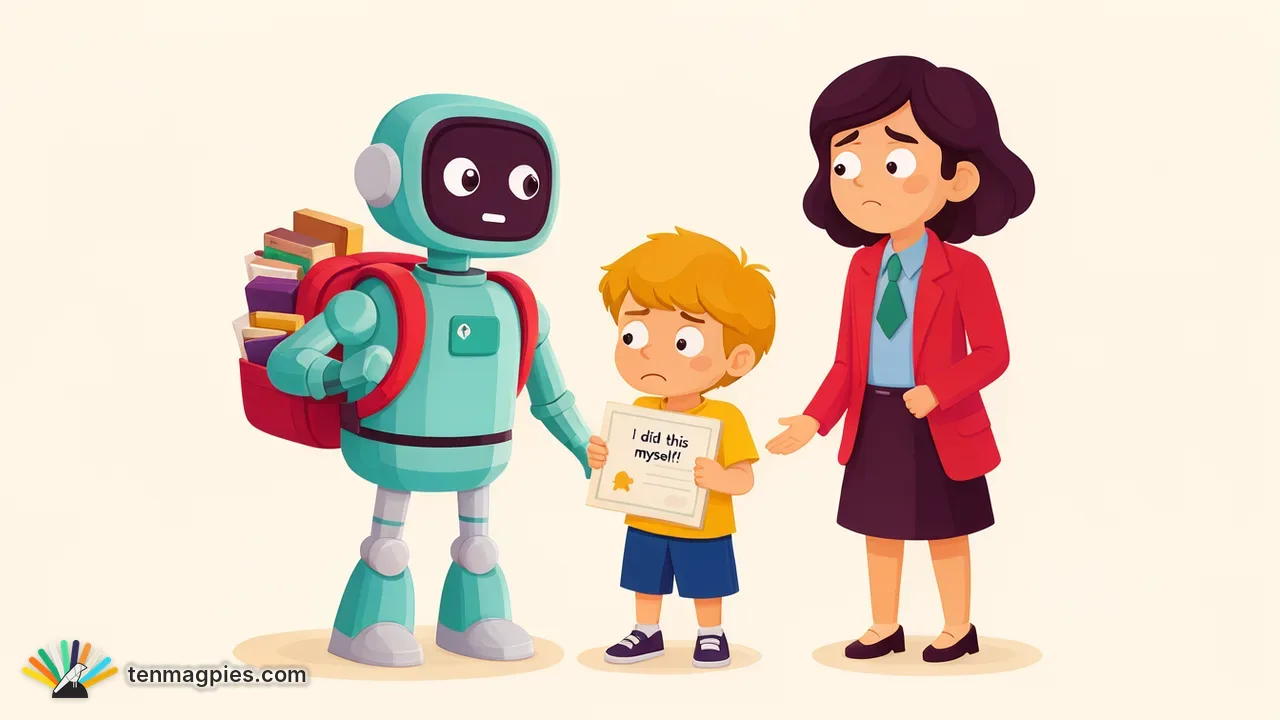
The Big Question: Will Teachers Still Be Needed?
It’s not a question of if AI will change education—it’s a question of how. Some schools are already experimenting with AI as a tool, not a replacement. Teachers are using it to create personalized learning plans, spot gaps in understanding, and even help kids who are struggling with reading or math. The key is making sure AI is used to support learning, not replace it.
What You Can Do
You don’t have to be a tech expert to help your child think critically. UNESCO’s guide is a great start: ask your child questions like, 'Who made this answer?' or 'Why do you think that’s right?' You can also encourage them to explain their work to you, or even write a story together where the AI is the hero—but it makes a mistake. That’s when the real learning happens.
A Little Humor
Imagine this: your kid comes home with a perfect math test, and the only thing they did was copy an AI answer. You ask them how they did it, and they say, 'Well, I asked the AI, and it said, 'Sure thing, buddy.' You look at them, and say, 'You know, that AI might be smarter than you, but it’s not as good at spelling.'